

 查詢
查詢











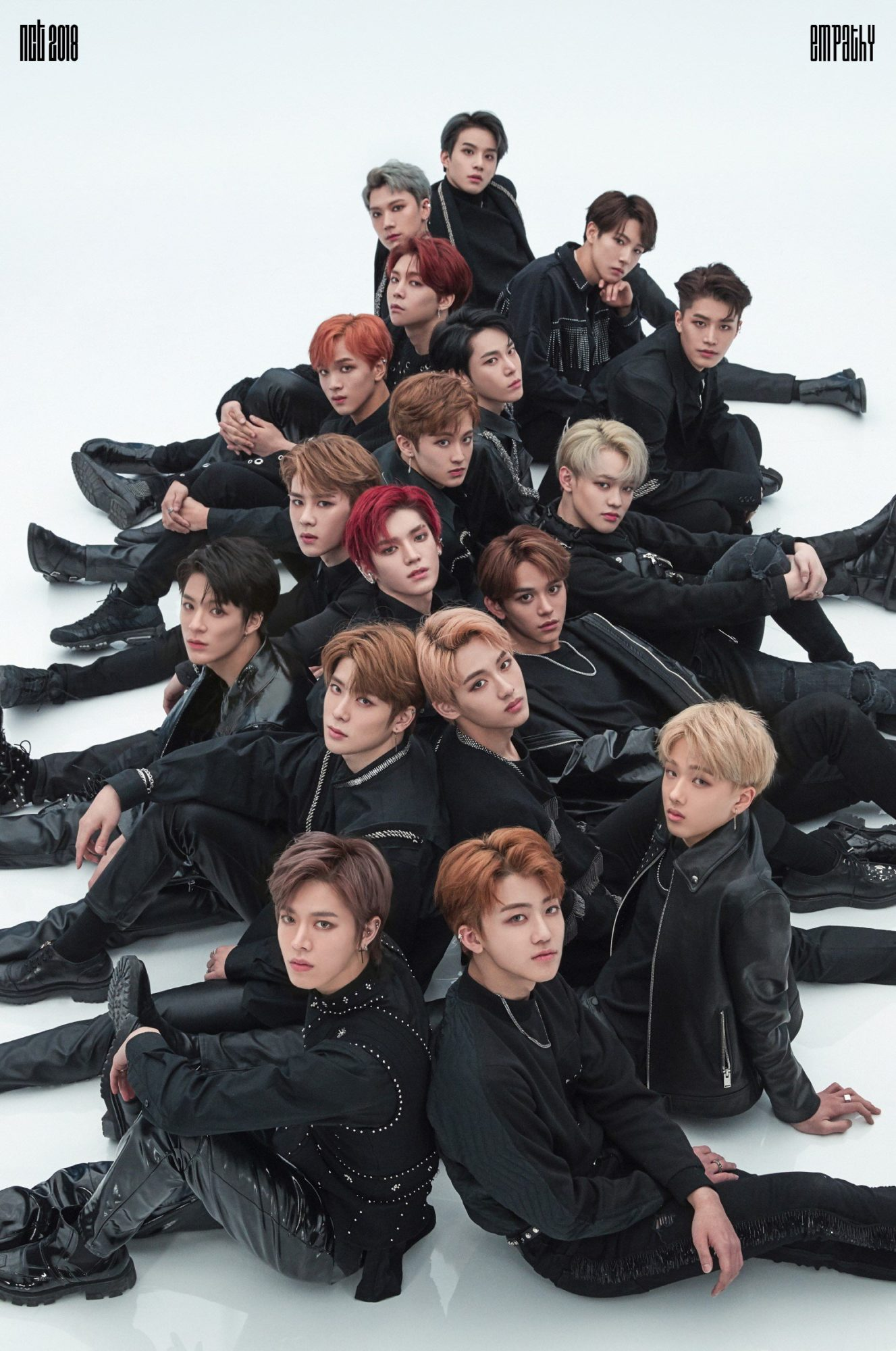
NCT DREAM演唱會
| NCT演唱會日期 | 2025年8月30日(週六) |
| NCT演唱會場地 | 啟德主場館| 香港九龍城承啟道38號 啟德體育園 |
| NCT演唱會票價 | HK$ 2499 / 1799 / 1499 / 1199 / 999 / 799 |
NCT DREAM Cityline Ticket Price: More Than Just a Number
When NCT DREAM announced their highly anticipated “Cityline” tour, excitement swept across the globe like a tidal wave. From Seoul to Singapore, Bangkok to Los Angeles, fans flooded social media with countdowns, wishlists, and strategies to secure the golden prize: a ticket. But beyond the click of a button and the flash of a confirmation email lies a deeper conversation — one about ticket pricing, value, and what it means to be part of a cultural movement like NCT DREAM Cityline.
The Spectrum of Ticket Prices
Like most large-scale K-pop concerts, ticket prices for NCT DREAM Cityline vary significantly depending on location, venue size, seat category, and promotional partners. A typical price structure might look something like this:
VIP/Platinum Package: \$250–\$400 USD
Floor/Standing A/B Sections: \$180–\$250 USD
Lower Bowl (Tier 1): \$130–\$180 USD
Upper Bowl (Tier 2): \$80–\$130 USD
Balcony or Limited View: \$50–\$80 USD
VIP packages often include perks such as early entry, exclusive merchandise, soundcheck access, or even a group photo with the members — experiences that fans describe as “once in a lifetime.” Meanwhile, even the farthest seat in the venue offers the joy of simply being part of the energy — waving lightsticks in sync and singing along to anthems like “BOOM”, “Ridin’”, or “Candy.”
The Emotional Value Behind the Price
To someone unfamiliar with the K-pop world, spending several hundred dollars on a concert might sound excessive. But for NCTzens — the official fandom of NCT DREAM — it’s about much more than watching a performance. It’s about connection.
NCT DREAM’s Cityline is not just a show; it’s a celebration of youth, growth, and global unity. Fans have watched the members grow up in real time — from their debut as teenagers to becoming confident young men conquering international stages. The ticket price, then, is not just a number — it’s the cost of participating in a journey you’ve emotionally invested in for years.
Regional Differences and Economic Impact
One notable aspect of K-pop concert pricing is the regional variation. For example:
In South Korea, tickets often cost less (\$80–\$150 USD) due to local market standards and a more accessible fanbase.
In Southeast Asia, prices might range from \$90–\$220 USD, but some countries experience unusually high resale inflation.
In North America and Europe, ticket prices are often higher, sometimes exceeding \$300 for premium access, reflecting higher production and logistical costs.
These discrepancies can spark frustration among fans. For many, especially younger fans or international followers, the ticket price is a barrier. This has led to growing discussions around accessibility and fairness in K-pop ticketing, especially when ticket scalping and bots drive up resale prices to unreasonable levels — sometimes triple or quadruple the original price.
The Scalping Issue
One of the biggest concerns surrounding NCT DREAM’s Cityline ticket prices is the resale market. Within minutes of tickets selling out, listings often appear on third-party platforms at severely inflated prices. For example, a VIP ticket originally priced at \$350 USD may be listed at \$1,200 or more on resale sites.
This phenomenon isn’t exclusive to NCT DREAM, but due to their rising global popularity and relatively limited tour stops compared to larger Western acts, demand often exceeds supply dramatically. Fans call for more transparent anti-scalping measures, like personalized ticketing or fan club verification systems, to preserve fairness and affordability.
Are the Prices Justified?
When weighing the price against the production value of the Cityline tour, many would argue that it’s worth every dollar. NCT DREAM is known for their high-energy performances, elaborate stage design, synchronized choreography, and immersive multimedia experiences. The Cityline tour in particular has a strong thematic backbone, reflecting the growth of a city that mirrors the dreams and aspirations of both artists and fans.
Each show features state-of-the-art lighting, moving platforms, large LED screens, and costumes that change per set. Plus, you’re not just watching a concert — you’re witnessing storytelling in motion, often accompanied by special solo stages, fan interactions, and encore surprises.
In this context, the ticket price reflects both artistic labor and emotional payoff. For many fans, the memory of hearing “My Youth” live, or making eye contact with a member during a ballad, is something money can’t fully measure.
Conclusion: The Price of Belonging
In the end, the ticket price for NCT DREAM’s Cityline tour is a complex symbol. It represents access, demand, production costs, emotional investment, and the broader economy of fandom culture. But perhaps most of all, it signifies belonging.
To hold a Cityline ticket in your hand — whether VIP or balcony — is to be part of a global moment, a shared heartbeat of music, sweat, and dreams. It’s not just a seat in a venue. It’s a space in a story still being written.
And for thousands of fans around the world, that seat — no matter the price — is worth every cent.