

 查詢
查詢











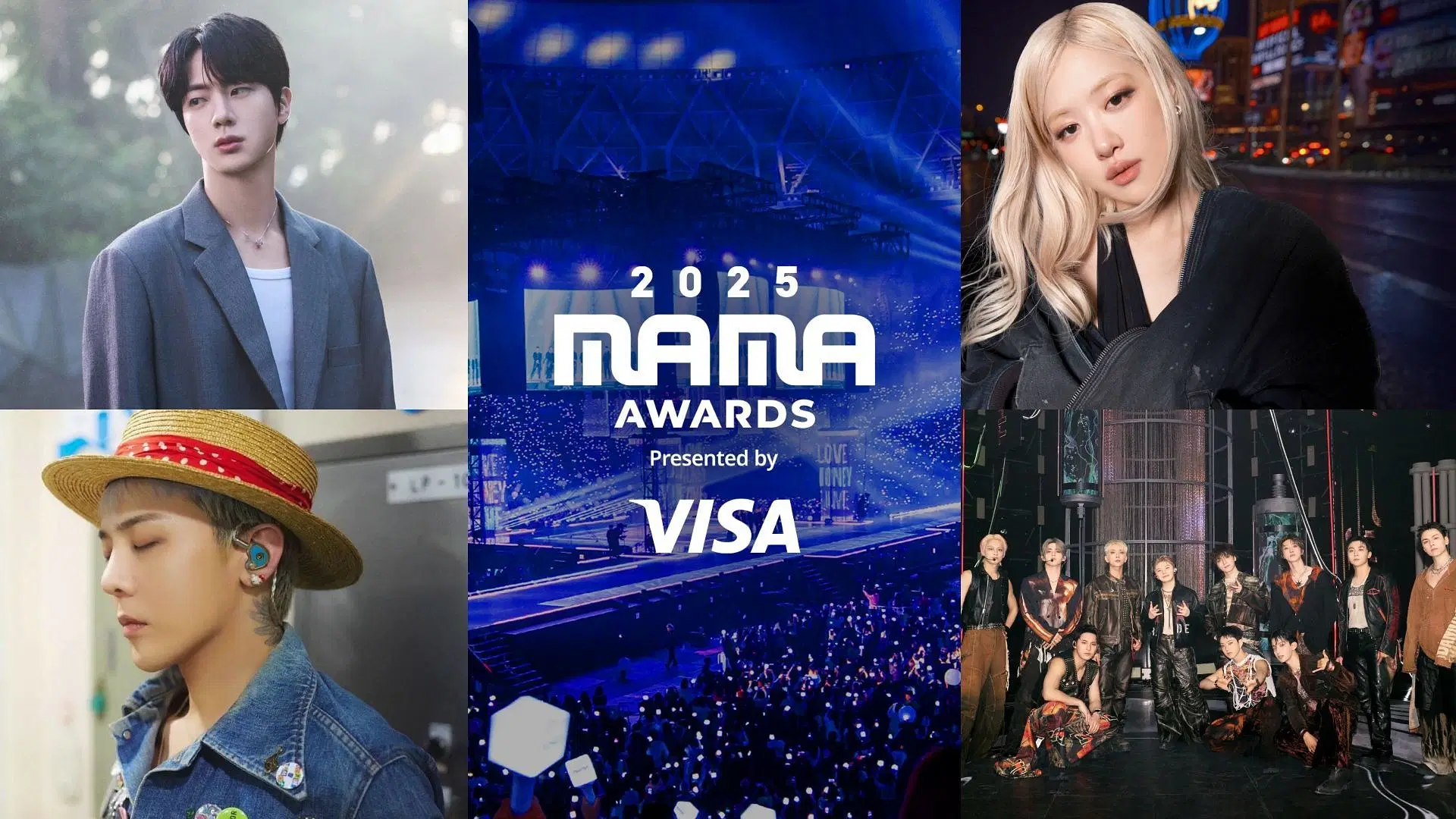
MAMA香港演唱會2025
| MAMA演唱會日期 | 202511月28-29日 |
| MAMA演唱會場地 | 啟德主場館| 香港九龍城承啟道38號 |
| MAMA演唱會票價 | HKD:$899-2599 |
What MAMA Awards Stands For: More Than Just a Music Show
In the vibrant world of K-pop and Asian music, one name shines brighter than most when it comes to recognition, performance, and global reach — the MAMA Awards. Formerly known as the Mnet Asian Music Awards, the MAMA Awards are not just another awards show. They represent a cultural movement, a showcase of talent, and a celebration of music that transcends borders. But what exactly does MAMA stand for — both literally and symbolically?
The Meaning Behind the Name
At its core, MAMA stands for Mnet Asian Music Awards. Hosted annually by South Korea’s CJ ENM and its music channel Mnet, the MAMA Awards were launched in 1999 under the name “Mnet KM Music Video Festival.” Over the years, they evolved in scope, scale, and vision, rebranding as MAMA in 2009 to reflect their growing regional influence.
However, beyond the acronym, “MAMA” has come to stand for more than just a name. It represents values, aspirations, and a changing musical landscape that’s reshaping how the world views Asian artists.
A Stage for Excellence in Asian Music
First and foremost, the MAMA Awards stand for artistic excellence in the Asian music industry. The ceremony honors outstanding achievements in various categories such as Artist of the Year, Song of the Year, Album of the Year, and Best New Artist. These accolades recognize the talent, hard work, and creativity of musicians, producers, dancers, and visual artists who bring music to life.
In addition to K-pop, the MAMA Awards have also extended recognition to artists from Japan, China, Thailand, Indonesia, and more — helping to spotlight the rich diversity of music in Asia. This inclusive approach shows that MAMA doesn’t just represent Korean pop, but Asian pop culture in its broadest sense.
A Platform for Global Expansion
MAMA also stands for global ambition. Over the past decade, the ceremony has expanded beyond South Korea, with past events held in Hong Kong, Singapore, Vietnam, Japan, and Macau. These international venues reflect the award show’s goal to promote cross-cultural collaboration and introduce Asian artists to a wider global audience.
More importantly, the MAMA Awards have embraced multilingual streaming, global voting platforms, and fan-engagement strategies to ensure that music lovers from all corners of the world can participate. By doing so, the awards show has become a symbol of Asia’s growing cultural influence on the global stage.
Innovation in Performance and Technology
When fans tune into MAMA, they’re not just watching an awards show — they’re witnessing a cutting-edge performance event. The MAMA Awards are famous for their stunning stage design, cinematic storytelling, and futuristic use of technology. Augmented reality (AR), 3D visuals, live narrative sequences, and interactive fan elements are common features.
This makes MAMA a platform for artistic innovation. It shows that Asian music isn’t just about sound — it’s about delivering a full sensory experience. In this way, the MAMA Awards stand for evolution, constantly pushing the boundaries of what a music awards show can be.
Fan Power and Community
Another thing MAMA stands for is fan empowerment. A significant portion of the awards, including “Worldwide Fans’ Choice,” are determined through public voting. This gives fans an active role in the success of their favorite artists and helps foster an intimate bond between idols and their supporters.
The fan culture surrounding MAMA is intense and inspiring. Fandoms around the world organize voting campaigns, share promotional materials, and even raise money for voting ads. This reflects how MAMA has become more than a show — it’s a community-driven celebration.
Representation, Diversity, and Identity
As Asian music gains more attention globally, the MAMA Awards also serve as a stage for representation and identity. For many Asian artists, being nominated or performing at MAMA validates years of effort in an industry that’s becoming increasingly competitive.
Moreover, the presence of female empowerment, LGBTQ+ visibility, and genre diversity at recent MAMA Awards signals that the event is evolving with society. It’s no longer just about rewarding popularity — it’s about shaping what the future of Asian music should look like: inclusive, dynamic, and global.
Cultural Diplomacy
Lastly, MAMA stands for cultural diplomacy. In a world often divided by politics or language barriers, music remains one of the most powerful tools for connection. By bringing together artists, fans, and media from across Asia and beyond, the MAMA Awards promote mutual understanding and cultural pride.
Performances often pay tribute to heritage, fuse traditional and modern elements, and celebrate what makes each culture unique. In doing so, MAMA contributes to a shared sense of Asian identity — one that’s confident, collaborative, and ready to lead on the world stage.
Final Thoughts
So, what does MAMA Awards stand for?
It stands for more than just “Mnet Asian Music Awards.”
It stands for excellence, innovation, representation, community, and ambition.
It stands for a future where Asian music and culture are not just admired globally — they are celebrated, led, and respected.
Whether you’re a first-time viewer or a longtime fan, tuning into the MAMA Awards is about more than watching who wins. It’s about witnessing the heartbeat of Asian pop culture — bold, brilliant, and borderless.